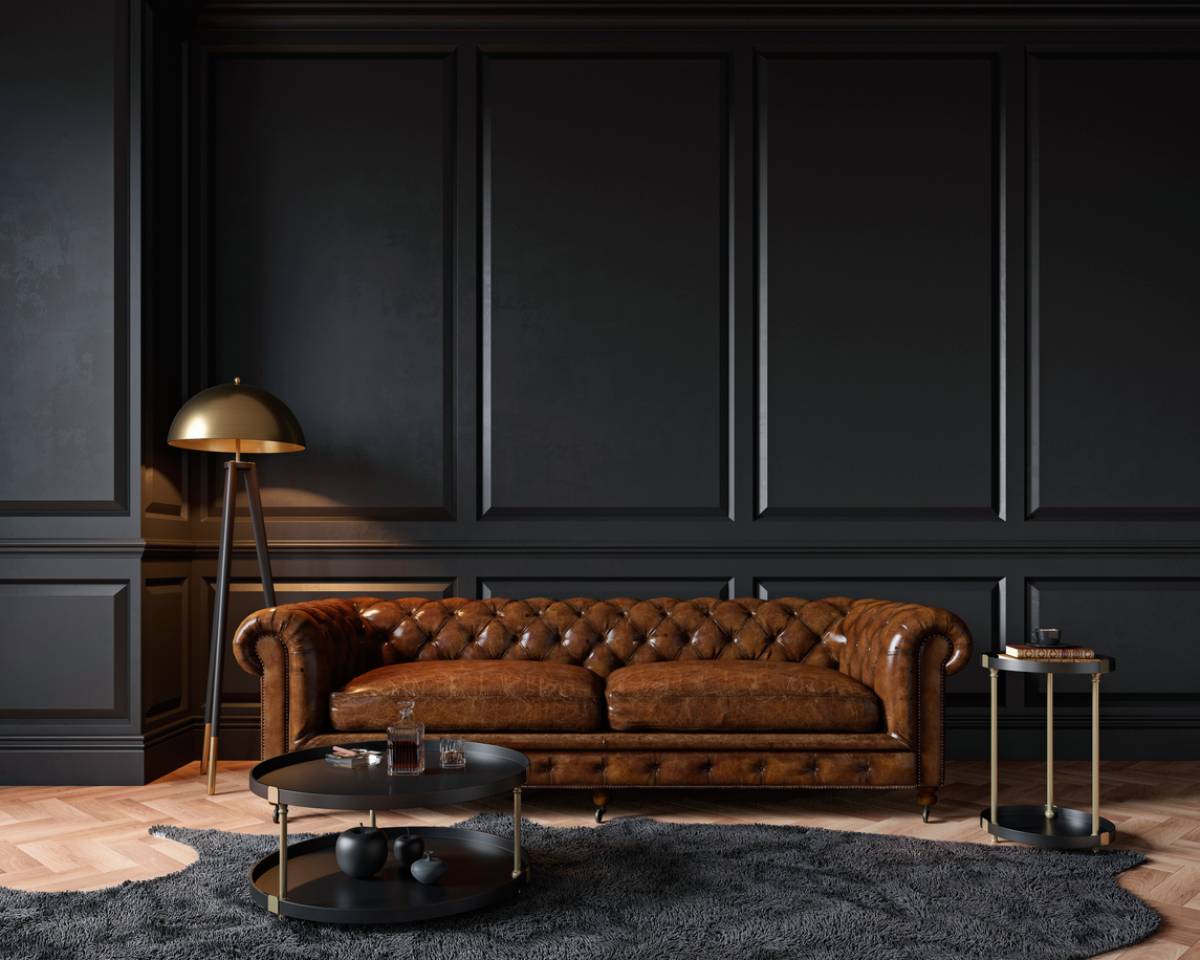
It is well known that color psychology is widely used in branding and marketing, but it is less commonly known that it is also a powerful tool in interior design. Arguably, color has a greater impact on the mood of a room than any other factor. Colors can stimulate emotional responses and influence things such as productivity, energy levels, mood, and self-esteem. The challenge in home design then comes down to making sure the walls evoke the desired mood and match the other eye-catching pieces in the space—especially the sofa. Trying to determine the color scheme of your home and buying luxury sofas online can cause uncertainty, but it doesn’t need to. With a little knowledge about which sofa colors match different walls, you’ll know the answer to the question, “What is the best color sofa for different wall colors?” and love your new luxury sofa in no time.
What Is the Best Sofa Color for Different Wall Colors?
White Walls: The Blank Canvas Opportunity
White walls offer the ultimate flexibility, but this freedom can be overwhelming when selecting a luxury sofa. The key is understanding that white isn’t neutral; it’s actually quite active psychologically, creating a sense of spaciousness and clarity that can feel either serene or stark, depending on the choice of sofa.
For a calming, sophisticated feel, consider deep navy or charcoal sofas. These rich colors create what designers call “grounding.” They anchor the space visually while the white walls maintain an airy feeling. The contrast is dramatic enough to feel intentional rather than accidental.
If you want warmth without sacrificing the clean feeling of white walls, camel or cognac leather sofas create an inviting atmosphere. These earth tones add richness while maintaining the light, open feeling that draws people to white walls in the first place.
For those who love color but want flexibility, jewel tones work beautifully against white. Emerald green, sapphire blue, or deep burgundy sofas become the focal point, allowing you to change accent colors seasonally with pillows and throws.
Here’s a fascinating detail most people don’t know: neutrals remain a steadfast favorite, with their ability to transcend fleeting design fads, as grays, beiges, and off-whites offer a foundation that is both adaptable and enduring, their appeal lies in their flexibility as they serve as a versatile backdrop that can accommodate any style changes.
Gray Walls: The Modern Neutral Challenge
Gray walls have become increasingly popular, but they require careful sofa selection to avoid creating a cold, institutional feeling. The undertones in your gray matter enormously. Cool grays pair differently than warm grays.
With cool gray walls, introduce warmth through your choice of sofa. Cream, beige, or warm white sofas prevent the space from feeling too sterile. Blush pink or dusty rose create an unexpectedly sophisticated combination that feels both modern and inviting.
Warm gray walls (those with beige or brown undertones) pair beautifully with crisp white or navy sofas. The contrast creates visual interest while maintaining the cozy feeling that draws people to gray in the first place.
For a monochromatic approach that actually works, opt for a sofa in a different shade of gray. If your walls are light gray, consider pairing them with charcoal seating or vice versa. The key is to ensure enough contrast so that the pieces don’t blend.
Beige and Cream Walls: Beyond Basic Neutrals
Beige and cream walls often get dismissed as boring, but they’re actually sophisticated neutrals that create a warm, welcoming foundation. The challenge is selecting sofa colors that enhance rather than compete with this warmth.
Navy sofas create a classic, timeless look against beige walls. This combination has staying power because it mirrors natural color relationships. Think of cream-colored sand against deep ocean water.
For a more contemporary approach, charcoal or black sofas against cream walls create drama without feeling harsh. The light walls prevent dark furniture from overwhelming the space.
If you prefer staying within the warm color family, consider rust, terracotta, or deep forest green. These colors share undertones with beige while providing enough contrast to clearly define the seating area.
Bold Wall Colors: Making Statement Walls Work
When you’ve committed to bold wall colors, your sofa choice determines whether the space feels energetic or overwhelming. The psychology here is crucial. Bold colors can be stimulating or stressful, depending on what you pair them with.
Deep blue walls pair beautifully with cream, white, or camel-colored sofas. These lighter colors provide visual relief while allowing the walls to remain the star. Avoid pairing navy sofas with navy walls unless you’re intentionally creating a moody, cocoon-like atmosphere.
Green walls, from sage to forest, work well with neutral sofas in cream, gray, or warm white. Pink or blush sofas create an unexpectedly beautiful combination with sage green walls, tapping into natural color relationships found in flowers and foliage.
Red walls require careful handling. Cream or beige sofas prevent the space from feeling too intense, while gray provides a sophisticated balance that lets the red walls energize without overwhelming.
The Science Behind Color Temperature
Understanding color temperature helps explain why certain combinations feel right instinctively. Cool colors (blues, greens, purples) tend to recede visually, making spaces feel larger but potentially colder. Warm colors (reds, oranges, yellows) advance visually, making spaces feel cozier but potentially smaller.
Based on the results of multiple studies on the Psychology of Colors, each person reacts differently to each color. Some find the color black to be depressing and demotivating, while others feel comfortable and relaxed in their home and experience increased productivity at the workplace.
This individual variation is why it’s important to consider your responses to colors, not just general design rules. If you feel energized by dramatic contrasts, a black sofa against white walls might be perfect. If you prefer subtle harmony, staying within the same color temperature family will feel more comfortable.
Luxury Furniture Considerations: Investment Pieces
When you buy luxury sofas online, you’re making a long-term investment that should work with potential wall color changes. Many experts suggest sticking with neutral colors (such as grey, brown, or beige) for furniture, but frankly, the decision largely depends on whether you want your sofa to be a vibrant showpiece or a neutral anchor for the room.
Consider your lifestyle and how likely you are to repaint. If you frequently change wall colors, investing in a neutral luxury sofa allows for flexibility. If you prefer to change your space through accessories rather than major furniture pieces, a colorful statement sofa against neutral walls might be the better choice.
Quality luxury furniture often features rich, complex colors that work with multiple wall colors. A deep emerald velvet might pair beautifully with white, cream, or even blush walls, making it a versatile investment piece.
Seasonal Considerations and Lighting
Natural light dramatically affects how colors appear together. A combination that looks perfect in bright daylight might feel completely different under evening lighting. Test your color combinations at different times of day before making final decisions.
Northern exposure rooms receive cooler light, making warm color combinations feel especially welcoming. Southern exposure rooms get warmer light, allowing cooler color combinations to feel comfortable.
Consider how you primarily use your living space. If it’s mainly an evening room, test your color combinations under artificial lighting. If it’s a bright daytime space, evaluate the colors during peak daylight hours.
Texture and Pattern Integration
Color is only part of the equation. Texture and pattern significantly impact how colors read together. A smooth leather sofa in navy will feel different against white walls than a textured fabric sofa in the same color.
Velvet sofas appear to change color depending on lighting and viewing angle, making them excellent choices for spaces where you want visual interest without a pattern. Linen and cotton fabrics tend to appear lighter and more casual than their actual color.
When working with patterned sofas, consider the background color of the pattern as the primary color for pairing with your walls. A navy sofa with white piping will read more like a navy and white combination than solid navy.
Creating Flow Throughout Your Home
Your living room sofa’s color should complement the broader context of your home’s color palette. If your dining room features warm wood tones, a cool gray sofa in the adjacent living room might create an uncomfortable transition.
Consider sight lines between rooms when selecting sofa colors. Colors that work beautifully in isolation might clash when viewed together from another room.
Creating a cohesive color story throughout your home doesn’t mean everything must match. It means colors should share undertones or intensity levels that create harmony.
Future-Proofing Your Choices
Design trends come and go, but psychological responses to color combinations remain relatively consistent. Bold and moody in expression, black sofas can be a little tricky to pull off, but they work best when you fully embrace the theme, paired with dark wood floors, antiqued brass, and soft furnishings in romantic shades of grape or burgundy.
Instead of chasing trends, focus on combinations that make you feel the way you want to feel in your space. If you need energy and focus, consider combinations with appropriate contrast levels. If you need relaxation and calm, harmonious combinations within similar color families will serve you better.
The most successful color combinations are those that reflect your personality while creating the desired emotional atmosphere in your home. Whether you’re drawn to dramatic contrasts or subtle harmonies, understanding the psychology behind your choices helps create a space that truly supports your lifestyle and well-being.
Spice Up Your Living Room with A. Rudin
Looking to revamp your living room? Check out our luxury furniture today.