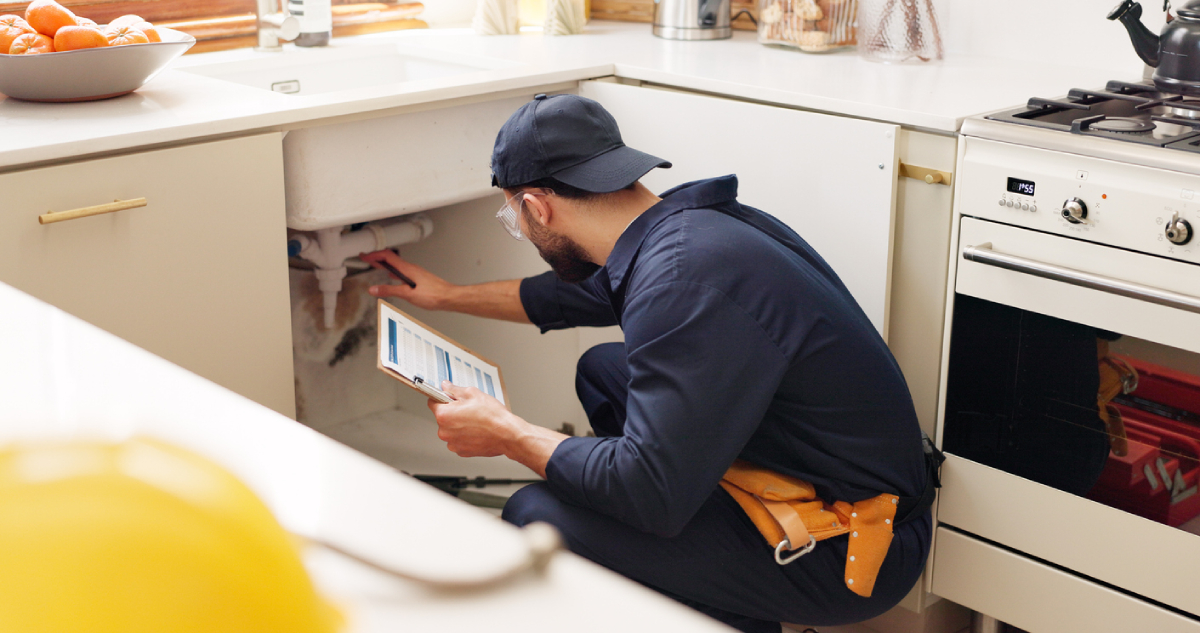
How often do you need to inspect your plumbing? It’s a question most homeowners don’t think to ask until something starts dripping, gurgling, or worse. But catching minor issues before they become major problems is exactly why regular plumbing inspections are so important.
The good news? Staying on top of your plumbing doesn’t need to be a headache. Whether you’re dealing with aging pipes and need a sewer line replacement, have a mysterious leak, or just want to keep everything in good shape, plumbing inspections are a smart and simple part of home care.
How Often Do You Need to Inspect Your Plumbing?
Most plumbing systems should be professionally inspected once every one to two years. This timeframe works for most homes with relatively modern plumbing, no ongoing issues, and regular use. If your system is older, has experienced problems in the past, or you suspect trouble, annual inspections, or even more frequent ones, are the best bet.
Plumbing issues often start small and out of sight, like tiny pinhole leaks or slow-draining lines. A regular inspection can catch these early signs before they turn into full-blown emergencies.
How Plumbing Inspections Help You Avoid Major Repairs
One of the biggest advantages of routine inspections is prevention. Regular checkups allow plumbers to spot minor corrosion, loose connections, and small blockages before they turn into major plumbing disasters. And for those in older homes, it provides professionals with an opportunity to assess whether and when you may need repiping services.
Inspections can also catch early issues in your sewer line, which often go unnoticed until it’s already causing backups or yard damage. With video camera inspections, professionals can identify root intrusion, cracks, and other concerns, making timely sewer line replacement far less disruptive.
Don’t Forget Seasonal Factors
Weather also plays a role in plumbing health. In areas with seasonal changes, it’s a good idea to schedule inspections ahead of winter or following heavy rains. Freezing temperatures can cause pipes to burst, while increased water runoff may affect underground lines. Planning your inspections around these patterns can help protect your system throughout the year.
What Happens During a Plumbing Inspection?
A comprehensive plumbing inspection involves a thorough review of your home’s entire plumbing system. Depending on your needs and the age of your plumbing, this could involve:
- Checking for leaks in visible and hidden areas
- Inspecting fixtures like sinks, showers, toilets, and tubs
- Testing water pressure and looking for signs of corrosion
- Examining exposed pipes in basements or crawl spaces
- Using cameras to inspect your sewer line or drain lines
- Reviewing your water heater’s condition and safety
If you live in an older home, especially one with galvanized steel pipes, it may be time to consider repiping services. Replacing outdated materials can enhance water quality, increase flow, and prevent costly failures in the future.
Signs You May Need to Inspect Sooner Than Scheduled
Even if it hasn’t been a year yet, some red flags call for an immediate plumbing check:
- Unexplained spikes in your water bill
- Slow or gurgling drains
- Low water pressure throughout the home
- Wet spots or mold on walls or ceilings
- Foul odors near drains or outdoors (could signal a sewer line issue)
If you notice any of these, don’t wait. Delaying inspections when warning signs are present can lead to larger repairs, like emergency sewer line replacement, which is far more invasive (and expensive) than early detection.
Stay Ahead of Plumbing Problems with Henrik Plumbing
If it’s been more than a year since your last inspection, or if something just doesn’t feel right, schedule your plumbing inspection today with Henrik Plumbing. Our team is here to help keep your system in top shape, whether you need a simple tune-up, repiping services, or even a full sewer line replacement.