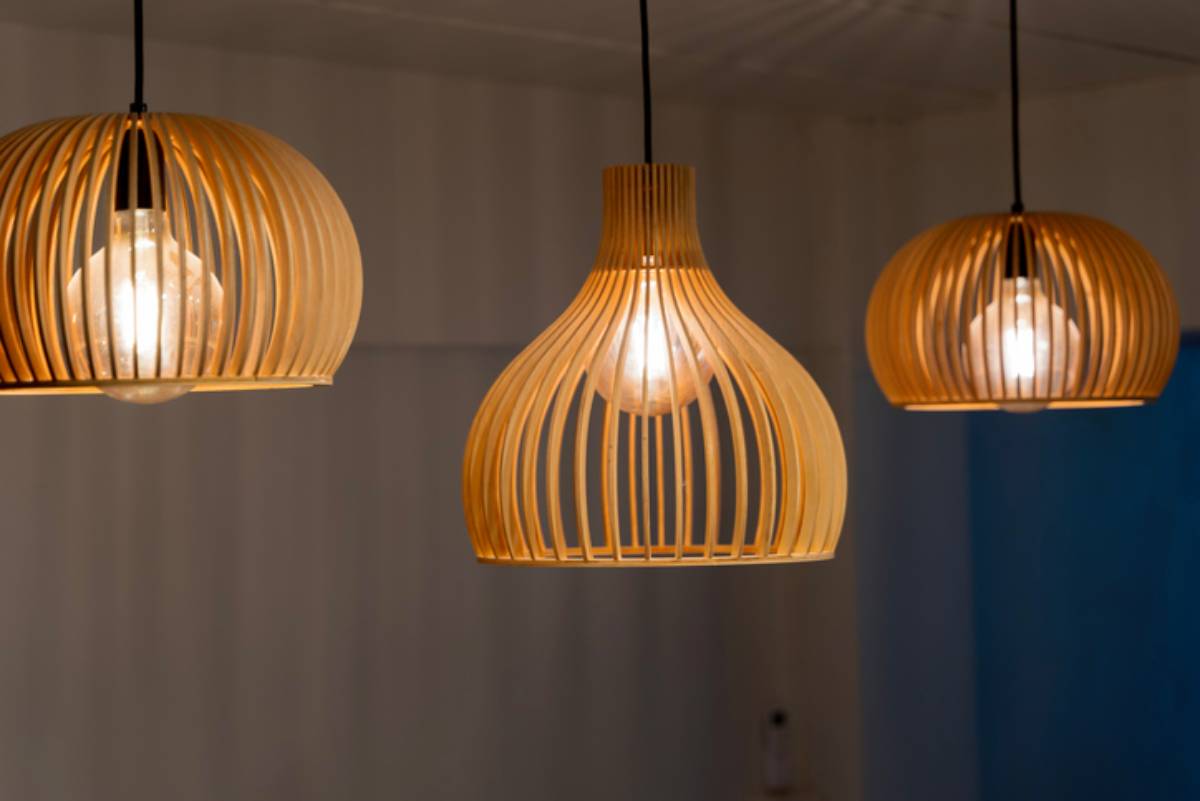
Lighting is the most powerful but often underestimated force in elevating any living space. Many run to buy high-end luxury furniture or choose fine materials, but the answer might be more straightforward than that. Strategic lighting design can dramatically change a room’s look in seconds. Proper lighting has remarkable capabilities, such as making a room feel bigger, drawing attention to architectural details, and creating the atmosphere you are going for. By carefully considering natural light sources, the placement of artificial light, and the dynamics between shadows and brightness, you can improve both aesthetic appeal and practical functionality.
Light and Space Perception
Everyone has experienced a trick of the light at least once in their lifetime. Realistically, you’ve probably encountered it hundreds of times. A great trick of the light is how it can make the same room feel completely different. A bright room with even lighting makes it look much bigger than it really is, while a dark room with poor lighting feels cramped and small.
Types of Lighting
Lighting can be broken down into three primary categories:
- Ambient lighting is your primary source. The lighting should reach the furthest in the room. You can gain ambient lighting through ceiling lights, chandeliers, or large lamps. The absence of good ambient lighting makes a space feel dark and gloomy.
- Task lighting serves as a light source for specific activities such as reading, cooking, or homework. Lighting in this category is typically brighter and targets a single spot to illuminate where you need to see clearly.
- Accent lighting is the decorative kind you get to have fun with. You might use it to highlight artwork or light up a bookshelf. It is the personality aspect of lighting that can make your room feel more welcoming or engaging.
Color Temperature
Color temperature refers to the hue of the light. Some lights appear yellow and warm, while others look white or tinged with blue. Playing with color temperature can help shift the mood you are trying to create. Warm light emits a yellow or orange glow, often associated with a cozy, relaxed feeling. Cool light appears white or slightly blue, giving off a vibe of wakefulness, alertness, and focus. Be sure to coordinate light temperature with existing paint and furniture. Different color temperatures can make paint and furniture appear differently.
Common Mistakes
A common mistake many people make is utilizing only one type of lighting in their space. This can create harsh shadows, making it look flat and dull. Experiment with different types of lighting and placement to achieve the ambience you are aiming for. Light placement is another common mistake; lights hanging too low or too high can feel awkward and out of place. To ensure you optimize lighting in your space, try layering your lights.
Elevating Your Space With Light
Lighting can quickly change the look of any room without spending a lot of money or making any major changes. With simple light play, you can make a small room feel larger, add coziness to your living room, or create a space for focused work. Start small and build from there. Good lighting can truly elevate any room when done right, and getting started is simple. With practice, you’ll learn how to make any room more beautiful, comfortable, and perfectly suited to your overall vision.
CTA: Ready to use lighting as a powerful home improvement resource? Find everything you’re looking for in one place.
Reference:
Dauches, A. (n.d.). Lighting Design: Techniques To Transform Interior Spaces.